
Four matches in the six-number lottery: match count and prize are different
The four matches are one count first. Its prize is a different question that requires the exact game’s current prize table. A good start is to list the intersection of the ticket set and the drawn set, so that there are no duplicates or miscounted positions.
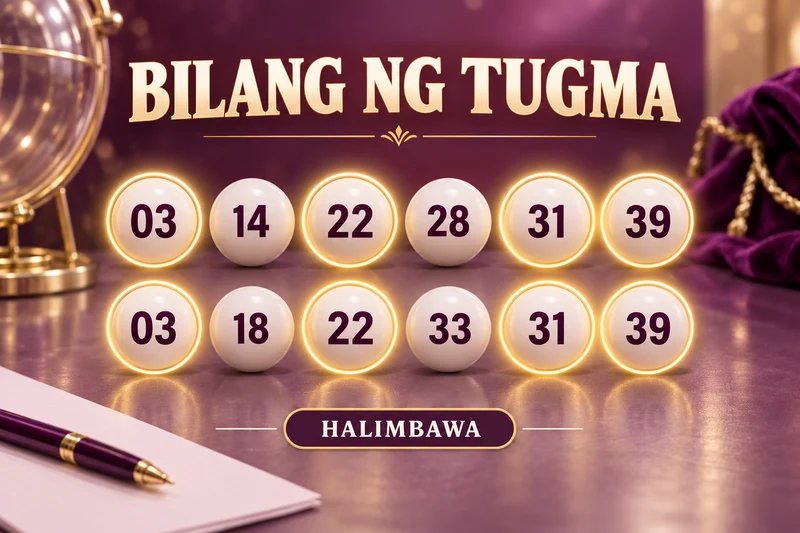
A six-number comparison
Fictitious tickets: {01, 08, 14, 22, 31, 42}. Fictitious result: {01, 08, 14, 22, 33, 40}. The intersection is {01, 08, 14, 22}: exactly four distinct matches. Shifting the order of six numbers does not produce an extra hit in the unordered model.
Own count of exactly-four outcomes
In a uniform six-number selection from 42, there is a C(6,4) way to pick four from the ticket and a C(36,2) way to pick two not on the ticket. So C(6,4)×C(36,2) = 15×630 = 9,450 outcomes of exactly four matches.
| Calculation | Value |
|---|---|
| All six-number sets | C(42,6) = 5,245,786 |
| Exactly four matches | 9,450 sets |
| Model probability | 0.1801% |
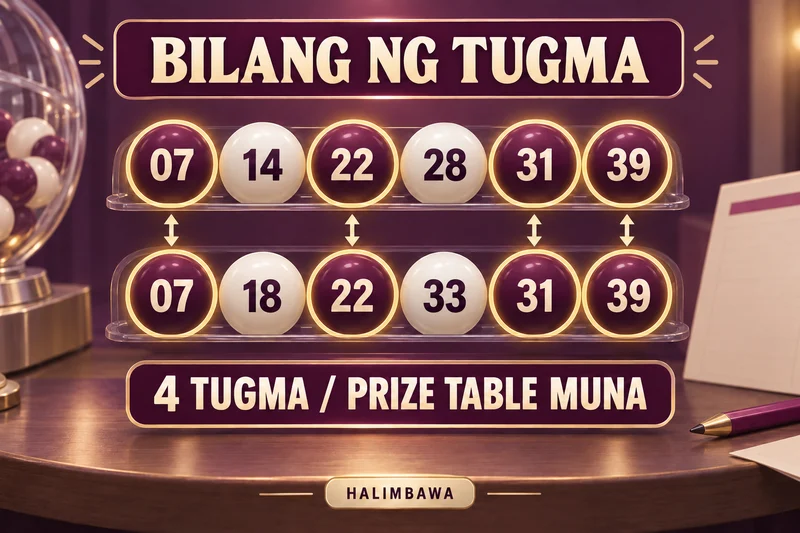
Why is the count not “four-or-more”?
When exactly four, five-match and six-match outcomes are not included. If the question is “at least four”, then those need to be added. Even the denominator must be the same game range. 6/42 denominator cannot be used in 6/58.
After the count, prize table
The PCSO archive has game-specific result rows; the January 2026 Game Manual have separate prize tables. Read the applicable current rule and qualifying entry before stating a monetary amount. The count of matches is not a payout confirmation and the probability is not a prediction of a ticket.
Related reading
For other formats, read bingo and lottery hub. Naa library of guides the topics are more detailed; the gamezone has a general overview of the site.
Methodology: documentary reading and own example or calculation. Sources checked 6 October 2026; no ticket purchased or draw played for the guide. Hypothetical models are not live results, predictions or claim approvals.